
Farmington Resident Lookup Records
No official roster lists everyone living at a Farmington address today. A useful resident lookup pairs each question with the right custodian. San Juan County EagleWeb links a situs address to an assessment account and its parcel. New Mexico Case Lookup offers public case-level court information. The Department of Health controls access to vital records. City or county departments may hold a specific permit, map, or administrative file. One source can answer one fact and stay silent on the rest. Label an assessment owner exactly as the source presents it. Do the same for a court party and a recorded grantor or grantee. That habit keeps your city directory work honest.
| Record | What it confirms | Where | Access |
|---|---|---|---|
| Assessment account | Situs, parcel and assessment context | San Juan County EagleWeb | Public guest route |
| Recorded instrument index | A recorded grantor or grantee lead | San Juan County Clerk | Public index route; copies by request |
| Court case information | Case-level public information and a case number | New Mexico Case Lookup | Free, no registration; no document images |
| Birth or death record | An event record where the access rule permits it | New Mexico Department of Health | Age and eligibility rules apply |
| Professional credential | A credential status within its board record | New Mexico Regulation and Licensing | Public verification route |
Match the tool to the question. An address suits parcel or city file questions. A name plus court suits a case question. A vital event calls for a record type and a relationship rule. Keeping these lanes separate stops a partial match from turning into a claim about a person in your Farmington residents directory research.
Farmington Case Lookup Boundaries
New Mexico Case Lookup is the statewide public route to court case information. It covers appellate, district, magistrate, metropolitan, and municipal cases. The judiciary states that it is free. It also requires no registration. It does not return document images. Where available, a result can show the court, case number, caption or party, event information, and status. The clerk of the responsible court holds the underlying record. Ask there for the actual file. The judiciary publishes no detailed description of the Case Lookup search controls. So do not assume the service offers a particular name, address, or date field. The Case Lookup public-access screen is the official route for the court step. It serves that purpose in a Farmington resident lookup.
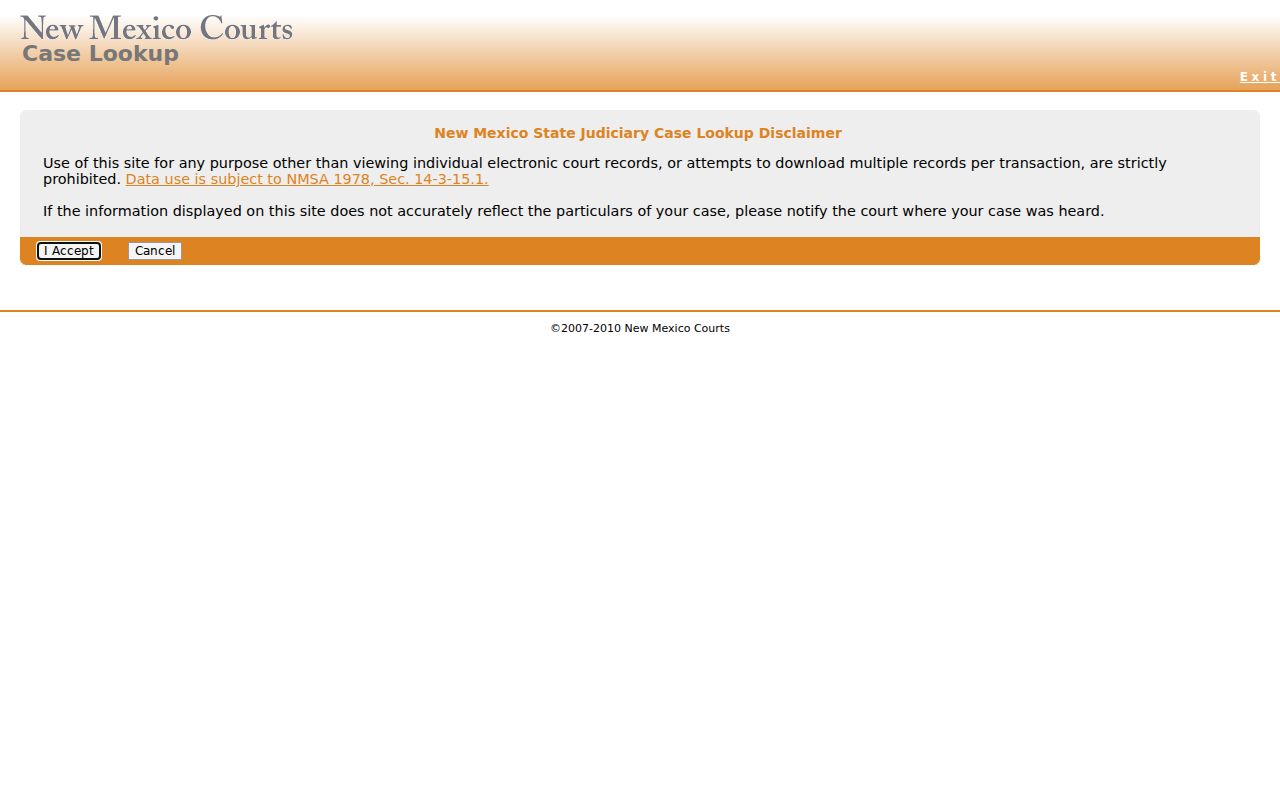
Treat a result as a lead. It is not the order, pleading, exhibit, or certified disposition behind a case. The judiciary's public-access and research guidance explains how free Case Lookup differs from other court access routes.
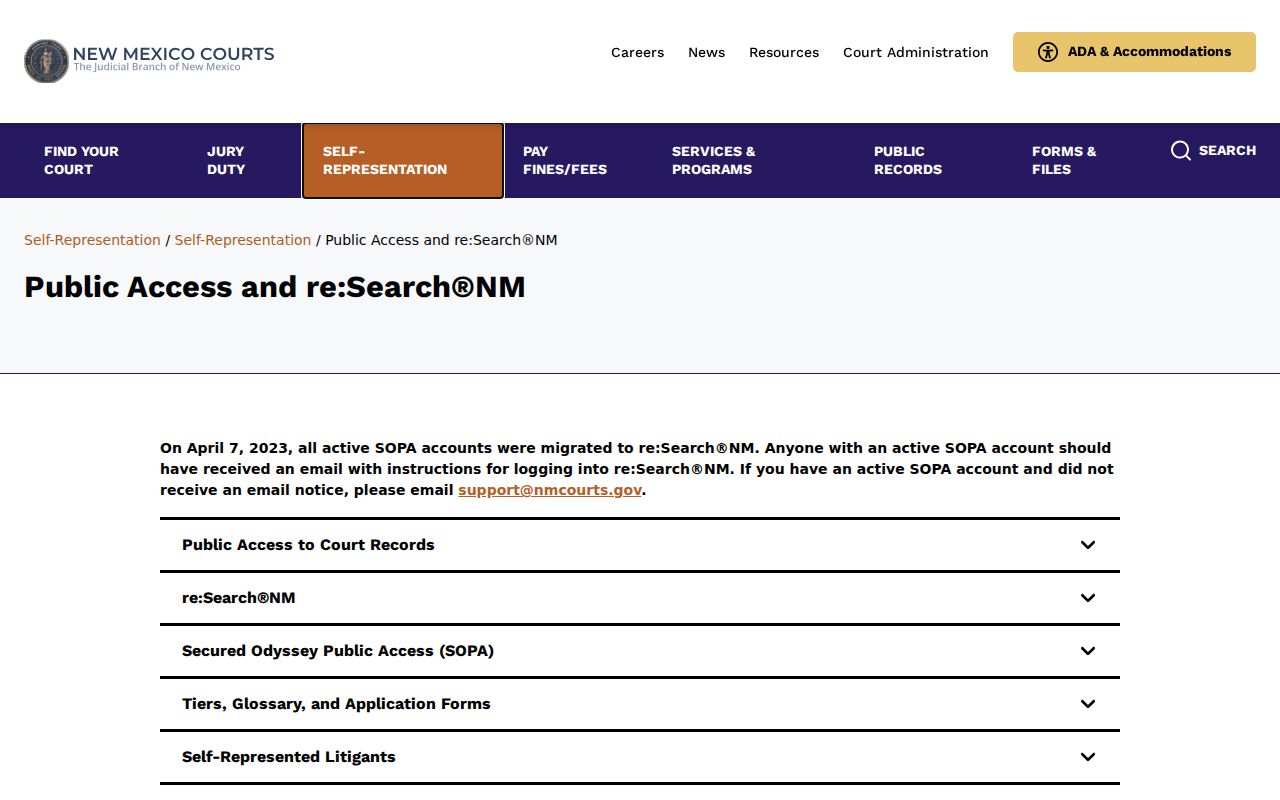
This distinction matters. An empty public result can reflect a category, date, or access limit rather than a complete absence of court records. Farmington falls under the Eleventh Judicial District. District Court sits at 851 Andrea Drive, and Magistrate Court sits at 950 West Apache Street. Municipal, magistrate, and district matters each carry different jurisdiction. Keep the court name beside any case number before requesting a copy from the records office. Note: Court information stays strongest when the court, case number, event date, record type, and access date travel together.
Farmington re:Search Access Profiles
The judiciary also runs re:Search, a registered court-records system where the user profile controls access. Historic SOPA guidance records that party searching used first and last names, an optional middle name, and an optional birth date. A first-name wildcard such as jo* was also allowed. That guidance also describes case-number components. Treat these details as historic, source-specific instructions. They do not describe the current re:Search screen. After registering, check the live service before relying on any search option. The re:Search access page is the official registered route the judiciary references.
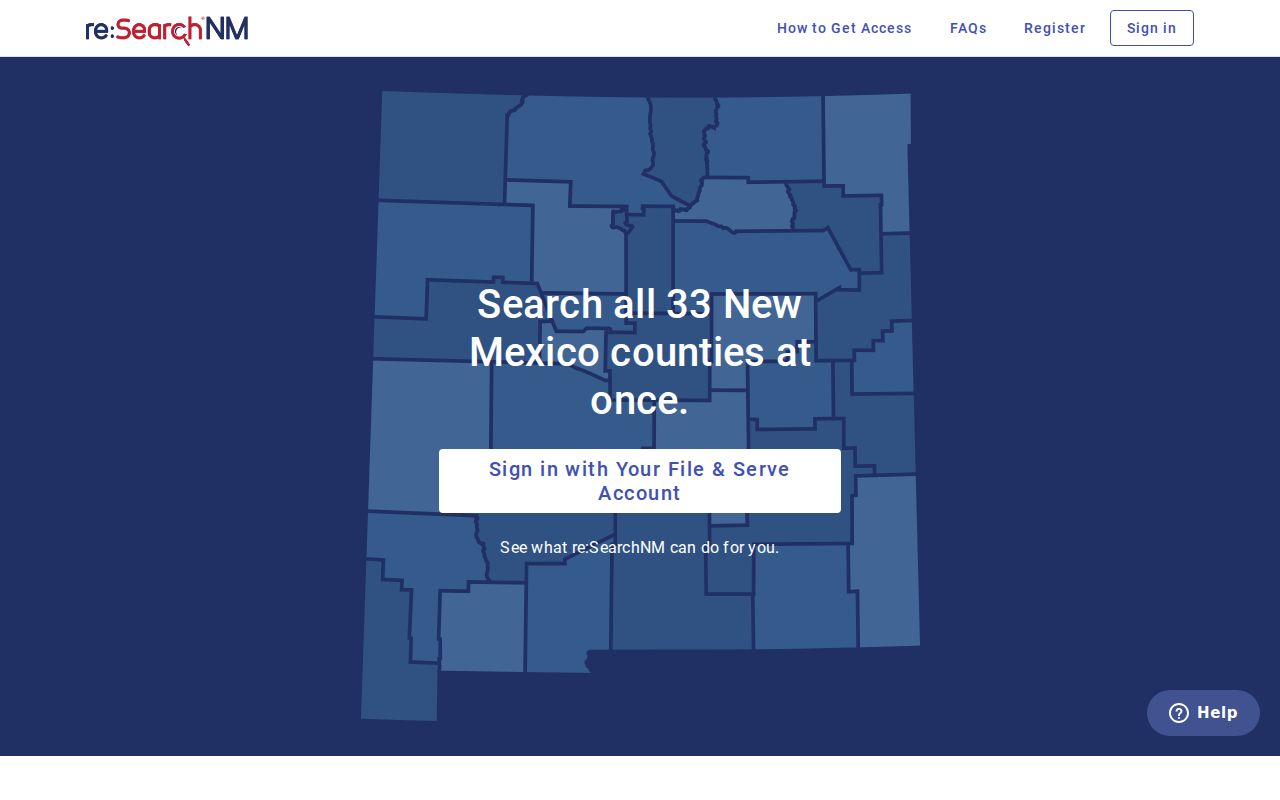
Because access depends on your profile, record how and when you obtained a result. No single search screen equals the full court file in a Farmington resident lookup.
Verify a Farmington Resident Record
Verification is a chain of narrow checks, never a composite profile. Start with an official identifier. For an address question, use EagleWeb's structured situs fields. They can yield a county account and parcel number. Its owner and mailing labels are assessment labels. They are not proof that anyone currently lives at the property. For a court question, begin with a name variant in the public case route. Preserve the court and case number. When you need a certified document, return to the named custodian instead of trusting a search result. That discipline keeps any resident lookup grounded in what the records office actually issued.
- Enter the address in EagleWeb’s situs fields, then save the account number, parcel number, legal summary, and access date.
- Keep the returned labels separate: situs, owner, owner mailing address, tax area, and legal description are not interchangeable.
- Search the person’s name in Case Lookup only for a court-record question, keeping a matching case number and court with the result.
- Request a record or certified copy from the agency that holds it, using the parcel, document, or case identifier to describe the request.
- Docket
- A court’s running list of case filings and events. It is not the same as the filed documents.
- Index versus image
- An index helps locate an entry. An image is the underlying document or scan, and may require a separate request or access route.
- Certified copy
- A copy issued and certified by the custodian for the record purpose it recognizes.
- Situs address
- The property location label used in an assessment record. It can differ from an owner mailing address.
Farmington Assessment Record Labels
A City of Farmington government account, R0023384, offers a safe public example of the EagleWeb card structure. It shows the database labels without centering a private household. Its public card can display the account number, parcel number, multiple situs addresses, owner name and address, tax area, legal summary, serial number, values, exemption or adjustment information, property type, land area, mill levy, tax history, Account Detail, and Parcel Map. Completeness varies by account.
| Card label group | What the government account displayed |
|---|---|
| Identifiers | Account number and parcel number |
| Location context | Multiple situs addresses, tax area, and legal summary |
| Assessment context | Property type, land area, value fields, exemptions or adjustments, mill levy, and tax history |
| Record links | Account Detail and Parcel Map |
The Assessor states that taxable value serves assessment purposes and does not necessarily represent market value. An owner field or mailing line likewise proves nothing about title, occupancy, or a person's current tie to the situs. Keep each source label and date beside the fact it supports.
Farmington Court IPRA Requests
Case Lookup can point you to the right Farmington court. Even then, the document itself may stay out of reach. The judiciary fills that gap with a formal IPRA request. You can submit its form. You can also call the clerk of the court that holds the file. The form gathers the essentials: which court or department, how to reach you, and the person's first and last name plus any alias. A birth date is optional. You also state the record type, the case number or numbers, and a plain description of what you want. A case number is far better than a bare name. It narrows the request to one file instead of every matching matter in the system. The New Mexico courts IPRA form shows every field a properly scoped court-record request needs.
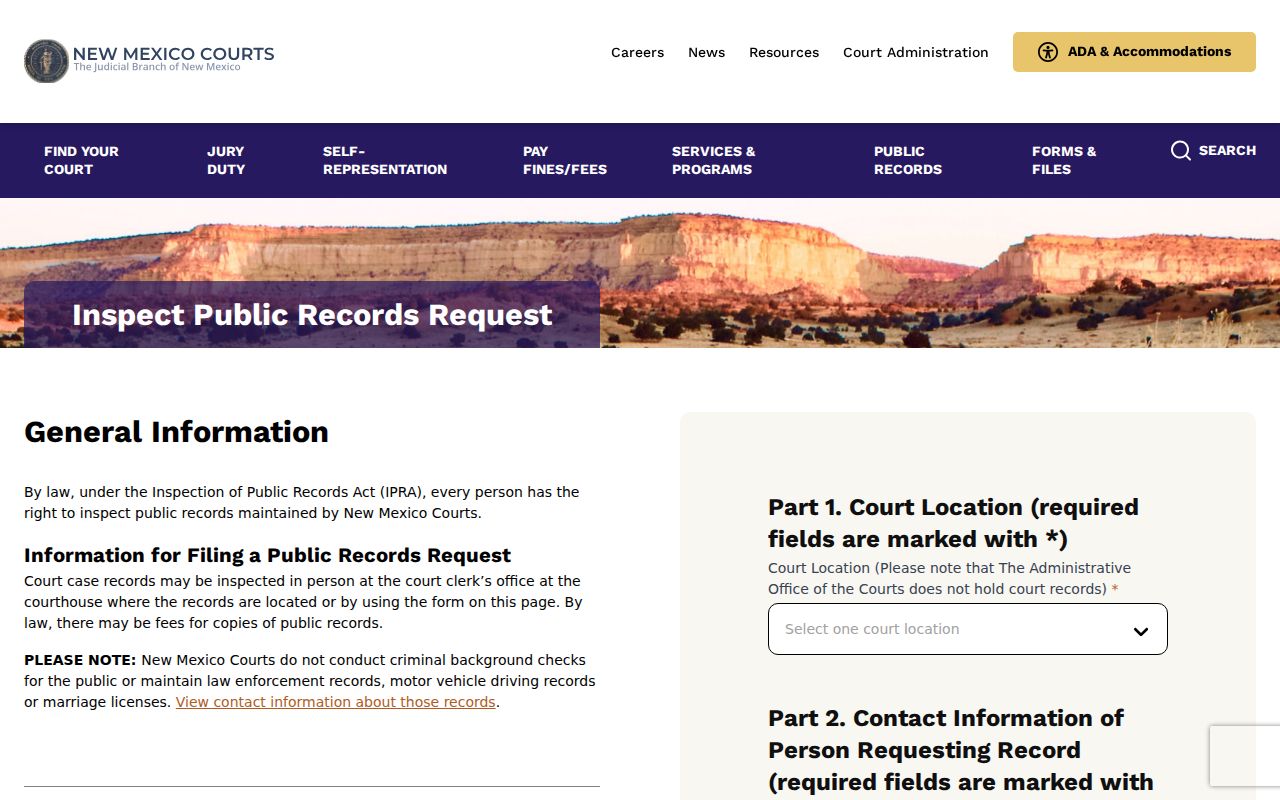
The form simply routes your request to the correct court or department. A general resident lookup does not become a public personal-record search by passing through it.
Farmington Vital Record Thresholds
New Mexico Department of Health rules govern birth and death certificates for Farmington events. Birth records open to the public 100 years after birth. Death records open 50 years after death. Certified copies stay limited to certain relatives before then. Someone with a documented tangible legal interest can also qualify. Fees are set by the Department. A birth certificate or search costs $10. A death certificate or search costs $5. Search fees are nonrefundable. Age thresholds alone do not put a record online or into a ready index, so plan for a formal request. Current rules appear in the Department's death-record access instructions and its matching birth-record route. Marriage-license copies sit with the San Juan County Clerk in Aztec. Divorce decrees belong to the responsible District Court. The county publishes no public marriage-index interface, and no statewide divorce-certificate index exists.
Note: A vital-record application's relationship and identity details prove eligibility, not a resident-profile claim.
Farmington Resident Lookup Privacy
NMVote exists for one voter at a time. It lets a person manage their own registration and related services, and that is all. It is not a public street roster. Treat it as the wrong tool for validating a household. County voter-data requests face real limits. They serve stated election, government, or campaign purposes only. They require an affidavit. Delivery follows the County Clerk's rules. Court public access keeps addresses and document images out of view. Protected categories may be missing entirely. The NMVote service represents the personal, self-service route. It is not a public Farmington resident lookup list.
New Mexico Safe at Home gives qualifying survivors a substitute mailing address. Property, court, election, or map material must never be used to find, compare, or rebuild a protected actual address.
Lawful use. Use Farmington records for a specific, lawful personal or historical question. Do not use a record lead to stalk, harass, threaten, or expose protected information about anyone.
Farmington Resident Lookup Map Context
An old address clue sometimes needs historical evidence. That evidence helps match the clue to a modern parcel record. The Library of Congress Farmington Sanborn map offers exactly that kind of evidence. It is a one-sheet view from November 1908, covering part of the early built environment. For streets, blocks, and building footprints inside that area, it answers dated questions well. It cannot fix a current parcel boundary. It cannot name a present residence. Nor can it serve as a citywide historic address database. Farmington's historic grid also carries documented jogs tied to early family-property patterns. Any name or address pulled from an older record should keep its date and spelling. It should also keep its map source and legal or parcel context attached. For current street-level parcel work, the Farmington street directory follows the address-based county record path instead.